As more seniors choose to live in the comfort of their own homes, families are increasingly looking for ways to afford reliable home care services. While home care allows older adults to maintain independence and live in a familiar environment, the cost of care can quickly become a concern.
This is where government health care programs like Medicare and Medicaid often come into play.
However, many people believe that these programs provide the same type of assistance as home care, which is not true. In fact, Medicare and Medicaid serve different purposes and cover very different types of care.
Understanding the difference between the two can help families plan better and avoid unexpected expenses.
This guide will explain how each program works, what they cover for home care, and how families can navigate these options when planning care for a loved one.
Why Home Care Is Becoming the Preferred Choice for Seniors
For many older adults, staying at home is far more appealing than moving to a nursing home or assisted living facility. Aging at home allows seniors to remain in a familiar environment, maintain their routines, and stay connected to their communities.
Home care services can support seniors in many ways. Some people require medical support such as nursing care or therapy after an illness or surgery.
Others simply need help with everyday activities like bathing, preparing meals, or managing medications.
Families often prefer home care because it provides personalized attention and allows loved ones to stay close. But before arranging these services, it’s important to understand how they will be paid for.
What Medicare Actually Covers for Home Care
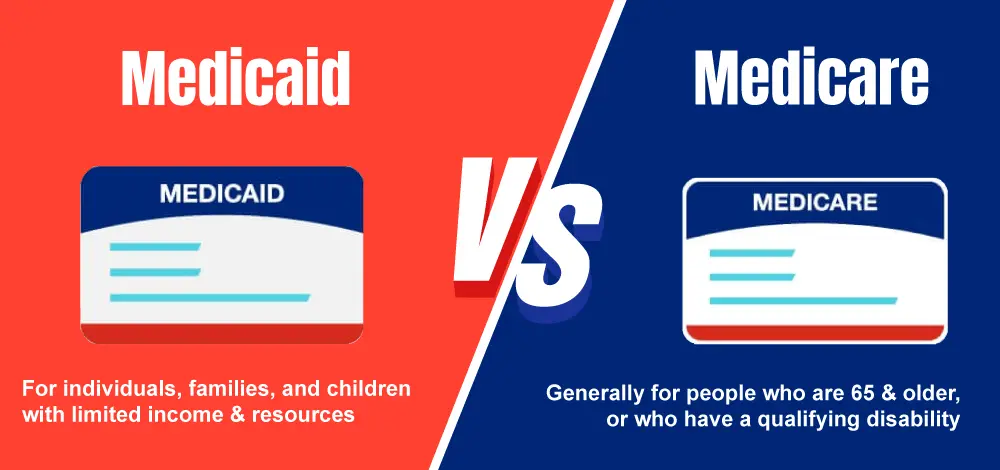
Medicare is a federal health insurance program primarily designed for people aged 65 and older, as well as certain younger individuals with disabilities. While it provides coverage for many healthcare services, its role in home care is often misunderstood.
Medicare may cover short-term home health services, but only under specific conditions. To qualify for this coverage, a doctor must determine that the patient needs medically necessary care and must create a care plan.
Medicare may pay for services such as:
- Skilled nursing care provided by licensed nurses
- Physical therapy for rehabilitation after injury or surgery
- Occupational therapy to improve daily functioning
- Speech-language therapy
- Limited home health aide services when combined with skilled medical care
These services are usually provided through a certified home health agency. Medicare coverage typically applies when someone is recovering from surgery, illness, or injury and requires professional medical care at home.
Another important requirement is that the individual must be considered homebound, meaning leaving home requires significant effort or assistance.
Situations Where Medicare Will Not Cover Home Care
One of the biggest misconceptions families have is believing that Medicare will pay for ongoing personal care at home. Unfortunately, this is rarely the case.
Medicare generally does not cover long-term custodial care, which includes assistance with everyday activities such as:
- Bathing and personal hygiene
- Dressing
- Cooking and meal preparation
- Housekeeping
- Transportation
- Companionship
If these services are the only type of care someone needs, Medicare typically will not pay for them. This is often a surprise for families who expect Medicare to cover long-term home care support.
Because of these limitations, many families begin exploring Medicaid or other options when ongoing care becomes necessary.
What is Medicaid and Its Role in Long-Term Home Care
Unlike Medicare, Medicaid is a joint federal and state program that focuses on helping individuals with limited income and financial resources access healthcare services. Each state administers its own Medicaid program, which means coverage details may vary depending on where someone lives.
Medicaid plays a much larger role in long-term care, including services provided in a person’s home.
To qualify for Medicaid, individuals must meet certain income and asset requirements. Because of this, it is often considered a safety-net program designed to help those who cannot afford care on their own.
Many states offer programs that allow seniors to receive care at home instead of moving into a nursing facility. These programs are designed to support aging in place while reducing the cost of institutional care.
Home Care Services Typically Covered by Medicaid
Medicaid often covers a broader range of home care services than Medicare, especially when it comes to long-term assistance.
Depending on the state program, Medicaid may pay for services such as:
- Personal care assistance
- Home health aide support
- Help with bathing, dressing, and mobility
- Meal preparation and light housekeeping
- Medication reminders
- Assistance with daily living activities
Some states also offer Home and Community-Based Services (HCBS) waiver programs, which allow seniors to receive long-term care in their homes rather than entering a nursing home.
These programs can make a significant difference for families who want their loved ones to remain safely at home while receiving the support they need.
Key Differences Between Medicare and Medicaid for Home Care
Although both programs provide healthcare coverage, their goals and services are quite different.
Medicare is primarily designed to cover medical treatment and short-term recovery care. It focuses on services that help people recover from illness or injury.

Medicaid, on the other hand, is designed to support long-term care needs, particularly for individuals with limited financial resources.
Here are some of the most important differences:
Purpose
Medicare focuses on medical insurance for seniors, while Medicaid helps low-income individuals access healthcare and long-term care services.
Eligibility
Medicare eligibility is mostly based on age or disability. Medicaid eligibility depends on financial need and income limits.
Type of Care Covered
Medicare covers skilled medical services at home for a limited time. Medicaid may cover ongoing personal care and daily living support.
Length of Coverage
Medicare coverage for home health care is usually temporary. Medicaid programs may provide long-term assistance.
Understanding these differences helps families determine which program may offer the support their loved one needs.
Can Someone Qualify for Both Medicare and Medicaid?
Yes, some individuals qualify for both programs. This is known as dual eligibility.
Dual-eligible individuals may receive benefits from both programs at the same time. In these situations, Medicare usually covers medical services first, while Medicaid may help cover additional care needs or costs that Medicare does not pay for.
For example, Medicaid might cover long-term personal care services, while Medicare continues to pay for hospital visits or medical treatments.
This combination of coverage can provide more comprehensive support for seniors with significant healthcare needs.
Common Mistakes Families Make When Planning Home Care Funding
Planning for home care can be complicated, and many families run into challenges because of common misunderstandings.
One frequent mistake is assuming Medicare will cover long-term home care services. Families often discover too late that Medicare only provides limited coverage for medically necessary care.
Another mistake is waiting too long to explore Medicaid eligibility. Because financial requirements and application processes can take time, it’s helpful to start researching options early.
Some families also overlook state programs that support home care through waiver services. These programs can provide valuable support but are not always widely known.
Learning about available options ahead of time can help families avoid unnecessary stress and financial strain.
Tips for Choosing the Right Home Care Support
Every senior has unique care needs, which means the right support plan will vary from person to person.
Start by evaluating whether the care required is medical or non-medical. Medical needs may involve nursing or therapy services, while non-medical support focuses on daily living activities.
It’s also helpful to speak with healthcare providers who understand the individual’s condition and can recommend appropriate services.
Home care agencies can guide families through available care options and explain what services they provide. They can also help determine whether insurance programs like Medicare or Medicaid may apply.
Finally, learning about local programs and resources can open doors to additional support for seniors and their families.
Planning Ahead for Home Care Costs
Home care allows many seniors to maintain independence and continue living comfortably in their own homes. But understanding how care will be funded is an important part of the planning process.
Medicare and Medicaid both play important roles, but they cover different types of services. Medicare focuses on short-term medical care, while Medicaid often provides broader support for long-term home care needs.
By learning how these programs work and exploring available options early, families can make more informed decisions and create a care plan that supports both the health and comfort of their loved ones.