
There comes a moment many adult children quietly wrestle with — the realization that Mom or Dad may not be managing as well as they used to. It rarely happens overnight. Instead, it shows up in small, uncomfortable observations: a forgotten appointment, a messy kitchen, a bruise they can’t quite explain.
It’s emotional. It’s complicated. And for many families, it’s hard to know what’s “normal aging” and what’s a sign that extra support may be needed.
If you’ve started wondering whether your aging parent might benefit from home care, you’re not alone. Recognizing the signs early can prevent accidents, hospital visits, and unnecessary stress — while still allowing your parent to remain safely in the comfort of their own home.
Below are the most common warning signs families notice — and what they often mean.
Subtle Changes That Are Easy to Overlook
The earliest signs are rarely dramatic. They’re small shifts that accumulate over time.
“The hardest part about caregiving isn’t the work — it’s accepting that the roles have changed.”
— Dr. Barry J. Jacobs, Clinical Psychologist & Caregiving Expert
Memory Issues That Go Beyond Occasional Forgetfulness
Everyone forgets things now and then. But when your parent begins repeating the same questions multiple times in one conversation, missing important appointments, or getting confused about dates and locations, it may signal something more serious.
Other red flags include:
- Forgetting to pay bills
- Losing items regularly
- Calling you in a panic over something minor
These may indicate early cognitive decline — and extra supervision can make a huge difference.
Decline in Personal Hygiene
If your once well-groomed parent begins wearing the same clothes for days, skipping showers, or neglecting oral care, it could mean they’re struggling physically or mentally to keep up.
Often, seniors avoid bathing because:
- They fear slipping in the shower
- They feel weak or dizzy
- It feels overwhelming
Home care assistance can help restore dignity while reducing risk.
Household Disorganization
Stacks of unopened mail. Spoiled food in the refrigerator. Laundry piling up.
These changes can suggest difficulty managing everyday responsibilities. If your parent has always been organized and their home suddenly feels chaotic, it’s worth paying attention.
Physical Warning Signs You Shouldn’t Ignore
Physical decline is one of the clearest indicators that additional help may be needed.
Frequent Falls or Unexplained Bruises
Falls are one of the leading causes of serious injury among seniors. If you notice:
- Bruises they can’t explain
- A new fear of walking
- Holding onto furniture for support
- Avoiding stairs
It may mean their balance or strength has declined.
Even one fall significantly increases the risk of another. Supervision and mobility assistance can dramatically reduce danger.
Trouble Managing Everyday Tasks
Cooking used to be effortless — now meals are skipped or overly simple. Laundry feels overwhelming. Cleaning becomes exhausting.
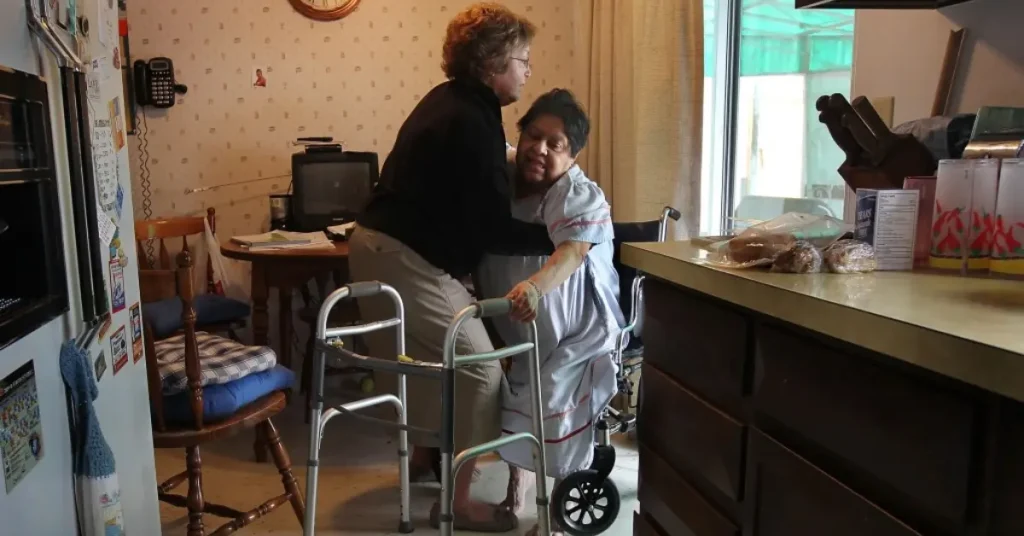
Ask yourself:
- Is the kitchen less tidy than usual?
- Are basic chores going undone?
- Is your parent eating properly?
Difficulty with routine tasks is one of the clearest signs home care could help.
Noticeable Weight Loss
Sudden or gradual weight loss may signal:
- Difficulty cooking
- Loss of appetite due to depression
- Forgetting to eat
- Trouble grocery shopping
Malnutrition weakens the immune system and increases fall risk. Sometimes something as simple as meal preparation support can restore strength and energy.
Emotional and Behavioral Changes
Physical health isn’t the only factor to watch. Emotional shifts can be just as telling.
Withdrawal from Social Life
If your parent stops attending church, canceling outings, or avoiding phone calls, loneliness may be setting in.
Isolation increases the risk of:
- Depression
- Cognitive decline
- Physical deterioration
Companionship can have a powerful impact on mental health.
Mood Swings or Irritability

Increased frustration, paranoia, anxiety, or sudden personality changes may point to:
- Cognitive decline
- Depression
- Fear of losing independence
Sometimes seniors lash out not because they’re angry — but because they’re scared.
Safety Concerns at Home
When safety becomes questionable, it’s time to act.
Kitchen Incidents
Burned pots. Melted plastic utensils. Leaving the stove on.
These are serious warning signs. Cooking accidents are one of the most common home safety hazards for seniors living alone.
Driving Issues
New dents in the car. Traffic tickets. Getting lost in familiar places.
Driving represents independence, so this topic can be sensitive. But declining reaction time and memory can make driving dangerous — not just for your parent, but for others.
Clutter and Unsafe Living Conditions
Blocked walkways, poor lighting, loose rugs — these hazards increase fall risk significantly.
If basic home maintenance feels overwhelming to your parent, outside help can keep them safe.
Medical Red Flags
Medical mismanagement is one of the biggest reasons families seek home care.
Missed or Incorrect Medications

If pill bottles are mixed up or doses are forgotten, health can decline quickly. Medication mistakes can lead to:
- Hospitalization
- Dangerous blood pressure swings
- Diabetic complications
Even simple medication reminders can prevent serious consequences.
Frequent Emergency Room Visits
If hospital trips are becoming more common, it may indicate:
- Falls
- Poor chronic condition management
- Dehydration
- Infection
Home support often reduces hospital readmissions.
When Family Caregiving Becomes Too Much
Many adult children try to do everything themselves. At first, it may feel manageable. But over time, the strain builds.
Signs of Caregiver Burnout
“The hardest part about caregiving isn’t the work — it’s accepting that the roles have changed.”
— Dr. Barry J. Jacobs, Clinical Psychologist & Caregiving Expert
- Chronic exhaustion
- Irritability
- Resentment or guilt
- Neglecting your own health
You cannot pour from an empty cup. Seeking help doesn’t mean you’ve failed. It means you care enough to protect your parent — and yourself.
Having the Conversation About Home Care
This is often the hardest part.
Choose a calm moment. Avoid bringing it up during an argument or crisis. Speak with empathy, not authority.
Instead of saying:
“You can’t live alone anymore.”
Try:
“I’ve noticed you seem tired lately. I worry about you. Maybe having a little extra help could make things easier.”
Frame home care as support — not a loss of independence.
Involve them in decisions whenever possible. The more control they feel, the smoother the transition will be.
What Home Care Actually Provides
Many seniors imagine home care as intrusive or unnecessary. In reality, it’s flexible and personalized.
Home care can include:
- Help with bathing and dressing
- Meal preparation
- Light housekeeping
- Medication reminders
- Companionship
- Transportation to appointments
- Fall prevention support
The goal is simple: maintain independence while reducing risk.
Acting Early Makes a Difference
One of the biggest mistakes families make is waiting for a crisis — a serious fall, hospitalization, or medical emergency.
“Aging with dignity doesn’t mean aging alone. Support can preserve independence rather than take it away.”
— Atul Gawande, Surgeon & Author
When care begins early:
- Seniors adjust more comfortably
- Trust develops gradually
- Health stabilizes
- Families experience less stress
Home care isn’t about taking control away. It’s about preserving quality of life.
A Final Thought for Families
If you’ve been noticing several of these signs, trust your instincts. You know your parent better than anyone. Small concerns often point to larger underlying issues.
Seeking support is not giving up. It’s choosing safety, dignity, and peace of mind.
There is no perfect moment to start the conversation — but starting it early can prevent heartbreak later.
If your aging parent needs a little extra support to remain safely at home, exploring home care options may be the most loving step you can take.
It’s completely normal to question yourself. Occasional forgetfulness or a messy day isn’t unusual. But if you’re noticing consistent patterns — repeated falls, missed medications, unpaid bills, poor hygiene, or emotional withdrawal — those are signs that extra support could improve safety and quality of life. Trust your instincts. You know your parent best.
Resistance is common. Many seniors fear losing independence. Instead of framing it as “you need care,” try positioning it as temporary support or extra help around the house. Start small — maybe companionship or light housekeeping — and build trust gradually. Often, once they experience the benefits, resistance decreases.
Not at all. In fact, home care is often what allows seniors to continue living independently. A few hours of support each week can prevent falls, improve nutrition, and reduce isolation — all while keeping your parent in their own home.
It depends on the situation. Some seniors only need a few hours a week for meal prep and errands. Others may need daily assistance or 24-hour supervision. The right amount of care is based on physical health, cognitive condition, and home safety risks.
The best time is before a crisis happens. Many families wait until after a fall or hospitalization, but starting early makes transitions smoother and prevents emergencies. If you’re already asking the question, it may be worth having a conversation and exploring options.