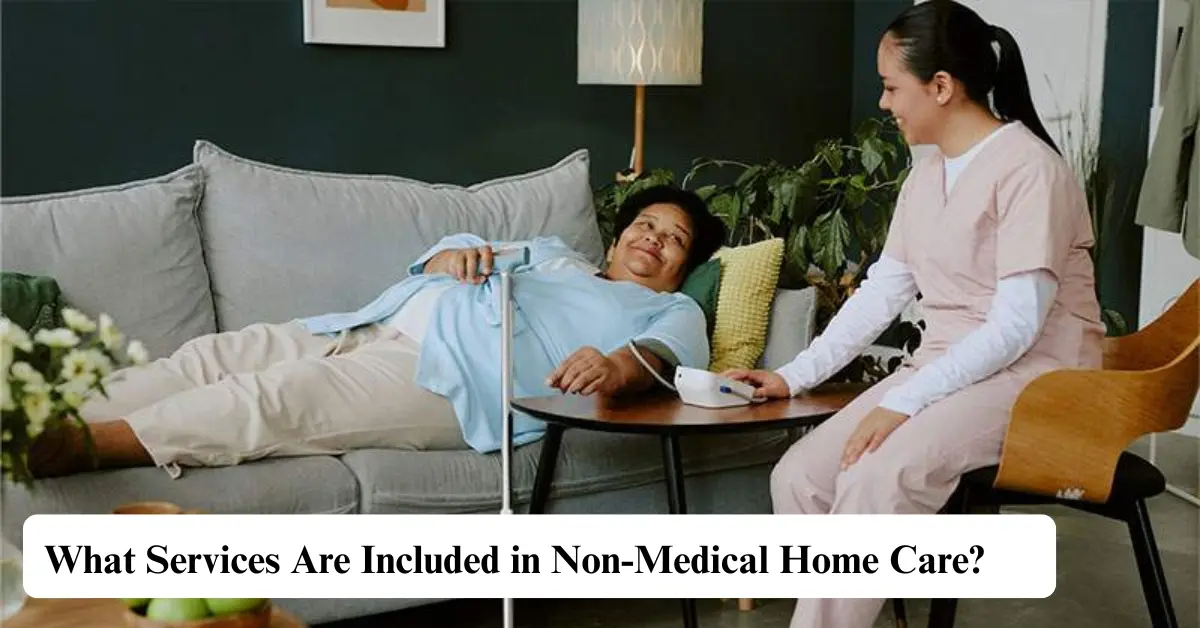
As people grow older, many prefer to remain in the comfort of their own homes rather than move to a nursing facility or assisted living community. Familiar surroundings, personal routines, and the feeling of independence make home life more comfortable for seniors. However, everyday tasks can gradually become challenging with age, illness, or limited mobility. This is where non-medical home care services can make a meaningful difference.
Non-medical home care focuses on helping individuals manage daily life safely and comfortably at home. These services do not involve medical treatments or nursing care. Instead, they provide practical support with daily activities, companionship, and household tasks. For families looking to ensure their loved ones receive assistance without leaving home, non-medical home care can be an ideal solution.
Understanding Non-Medical Home Care
Non-medical home care refers to supportive services provided to individuals who need help with daily living but do not require medical treatment. Caregivers assist with everyday activities that help clients maintain their independence and quality of life.
This type of care is commonly used by seniors who want to age in place. It can also benefit people recovering from surgery, individuals with disabilities, or anyone who needs additional support at home. Unlike skilled nursing services, non-medical home care focuses on practical help and emotional support rather than medical procedures.
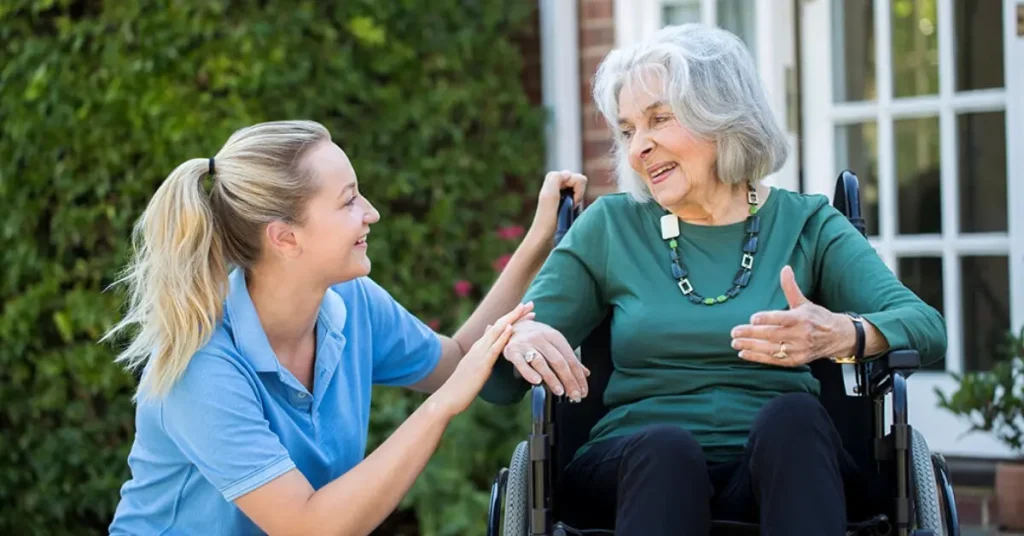
Caregivers are trained to provide assistance while respecting the dignity, privacy, and preferences of the person receiving care. Their goal is to make daily life easier while allowing clients to remain as independent as possible.
Personal Care and Daily Living Assistance
One of the most important aspects of non-medical home care is helping clients with personal care routines. As people age, tasks that were once simple—such as bathing or getting dressed—can become difficult or even unsafe to do alone.
Caregivers provide assistance with activities such as:
- Bathing and showering
- Grooming and hair care
- Dressing and changing clothes
- Oral hygiene and basic personal care
- Assistance with toileting
This type of support is provided with sensitivity and respect, ensuring that clients maintain their dignity at all times. The goal is not to take away independence but to provide help where it is needed most.
In addition to hygiene support, caregivers often assist with mobility-related activities such as getting in and out of bed, standing up from a chair, or moving safely around the house.
Companionship and Emotional Support
Loneliness can be a serious issue for many seniors, especially those who live alone or have limited social interaction. Companionship is a key part of non-medical home care that often has a powerful impact on emotional well-being.
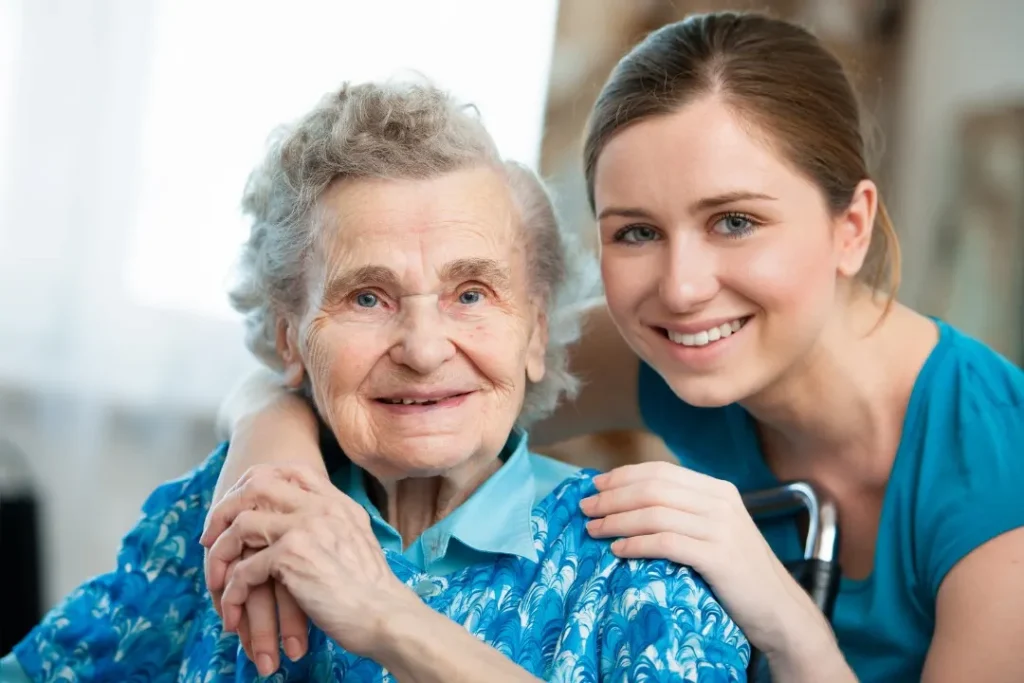
Caregivers spend quality time with clients by engaging in activities such as:
- Friendly conversation
- Playing board games or cards
- Reading books or newspapers together
- Watching television or movies
- Taking short walks
These simple activities help create meaningful connections and reduce feelings of isolation. Many seniors begin to see their caregivers as trusted companions, which adds comfort and emotional stability to their daily lives.
Regular interaction also helps caregivers notice any changes in a client’s mood or behavior, allowing families to stay informed about their loved one’s well-being.
Light Housekeeping Services
Keeping a home clean and organized can become challenging over time, particularly for seniors with limited mobility or physical strength. Non-medical home care often includes light housekeeping to ensure the living environment remains safe and comfortable.
Typical housekeeping tasks may include:
- Washing dishes
- Doing laundry
- Sweeping and vacuuming floors
- Changing bed linens
- Organizing living spaces
- Taking out the trash
A tidy home reduces the risk of accidents such as slips or falls. It also creates a more pleasant environment where seniors can relax and feel at ease.
Caregivers focus on light household tasks rather than heavy cleaning, but their assistance can make a significant difference in maintaining a well-managed home.
Meal Preparation and Nutrition Support
Proper nutrition is essential for maintaining good health, yet many seniors struggle with meal preparation. Some may lack the energy to cook, while others may forget to eat regularly.
Non-medical home caregivers help by planning and preparing balanced meals that meet the client’s dietary needs. They can also assist with:
- Grocery shopping
- Preparing fresh meals
- Serving meals and snacks
- Encouraging regular hydration
- Cleaning up after meals
For seniors who have dietary restrictions—such as low-sodium or diabetic-friendly diets—caregivers can follow specific meal guidelines to support healthier eating habits.
Sharing meals can also become a social activity, making the experience more enjoyable and encouraging better nutrition.
Transportation and Errand Assistance
Maintaining independence often means being able to go out for appointments, shopping, or social visits. However, driving may no longer be safe for some seniors.
Non-medical home care services frequently include transportation support. Caregivers can help clients get to places such as:
- Medical appointments
- Grocery stores
- Pharmacies
- Community events
- Religious services
In addition to transportation, caregivers can run errands on behalf of the client. This might include picking up prescriptions, buying groceries, or handling small tasks outside the home.
These services help seniors remain connected to their community and continue participating in activities they enjoy.
Medication Reminders
Many older adults take multiple medications throughout the day. Remembering when and how to take them can sometimes be confusing, especially if there are several prescriptions involved.
While non-medical caregivers cannot administer medication, they can provide helpful reminders. They may assist by:
- Reminding clients when it is time to take medication
- Keeping track of medication schedules
- Ensuring prescriptions are refilled on time
These reminders help reduce the risk of missed doses and help maintain consistency in treatment plans prescribed by healthcare providers.
Mobility and Safety Assistance
Safety is one of the main concerns for seniors living at home. Falls are a common risk, particularly for individuals with balance or mobility issues.
Caregivers provide support by helping clients move safely throughout the house. This may include:
- Assisting with walking
- Helping with stairs
- Supporting the use of walkers or wheelchairs
- Ensuring pathways are clear of obstacles
Caregivers also keep an eye on potential safety hazards around the home. By maintaining a safe environment and offering physical support, they help reduce the likelihood of accidents.
Support for Family Caregivers
Family members often take on the responsibility of caring for aging parents or relatives. While this role comes from a place of love and dedication, it can also be physically and emotionally demanding.
Non-medical home care services provide relief through respite care. This allows family caregivers to take breaks, attend to their own responsibilities, or simply rest.
Professional caregivers can step in for a few hours, a full day, or even overnight if needed. Knowing that a loved one is receiving reliable care can bring peace of mind to family members.
This type of support helps families maintain balance while ensuring their loved ones continue to receive the attention they need.
When Non-Medical Home Care Is the Right Choice
Non-medical home care can be the right option in many situations. It is especially helpful for seniors who want to remain independent but need some assistance with daily activities.
Families often consider these services when they notice signs such as:
- Difficulty managing household tasks
- Reduced mobility or balance issues
- Forgetting to eat meals or take medication
- Increased loneliness or isolation
Starting care early can prevent small challenges from becoming larger problems. It allows seniors to maintain control over their lives while receiving the support they need.
Final Thoughts
Non-medical home care plays an important role in helping individuals live safely and comfortably at home. From personal care and meal preparation to companionship and transportation, these services are designed to support everyday life.
For many seniors, the ability to remain in familiar surroundings while receiving assistance is invaluable. It provides both independence and reassurance, allowing them to enjoy their daily routines without unnecessary stress.
Families also benefit from knowing their loved ones are supported by trained caregivers who genuinely care about their well-being. In many cases, non-medical home care becomes not just a service but a partnership that improves the overall quality of life for everyone involved.